
SEC Breakaway Discussions Highlight Growing Frustrations Across College Athletics
Could the Southeastern Conference eventually separate itself from the NCAA's current structure?
According to SEC Commissioner Greg Sankey, that possibility has been discussed behind closed doors, but he stressed it is not the conference's preferred direction. Instead, Sankey says league officials remain focused on improving the current system through federal legislation and broader reforms that address many of the issues reshaping college athletics.
His comments came during SEC Football Media Days in Tampa, where he addressed everything from name, image and likeness (NIL) policies and athlete eligibility to College Football Playoff expansion and the proposed Protect College Sports Act.
While the conversation centered on the future of college athletics, Sankey made one point clear: discussions about a potential SEC breakaway are real, but they stem from frustration rather than a desire to leave the NCAA.
Why the Breakaway Conversation Exists
College athletics has undergone dramatic changes over the past several years.
The introduction of NIL compensation, the transfer portal, ongoing legal challenges, and shifting NCAA rules have created an environment many conference leaders believe lacks consistency and long-term stability.
Sankey acknowledged that university presidents have openly discussed whether a different model should be considered if meaningful reforms are not achieved.
Rather than presenting the idea as a negotiating tactic, he described the conversations as an honest reflection of concerns shared by conference leadership.
SEC Still Prefers a National Structure
Despite the speculation, Sankey emphasized that remaining part of a healthy national governing system continues to be the conference's preferred outcome.
He pointed to the SEC's success across multiple sports—including 13 national championships during the past academic year—as evidence that the conference values national competition and believes college athletics is strongest when programs compete under a unified structure.
The commissioner cautioned, however, that maintaining that system requires reforms capable of addressing the challenges facing today's collegiate landscape.
Key Issues Driving SEC Concerns
Several topics continue to dominate discussions among conference leaders.
Among the SEC's biggest concerns are:
- Inconsistent NIL regulations
- Ongoing athlete eligibility lawsuits
- A patchwork of different state NIL laws
- Limited transparency regarding player compensation
- The future format of the College Football Playoff
- The need for long-term legal stability in college athletics
Conference officials believe those issues are interconnected and require comprehensive solutions rather than isolated policy changes.
Protect College Sports Act Remains Central
Much of Sankey's discussion focused on the proposed Protect College Sports Act, bipartisan federal legislation intended to create national standards for college athletics.
While the SEC supports the concept of federal legislation, conference leaders believe additional revisions are necessary before they can fully endorse the bill.
According to Sankey, the conference has submitted 10 proposed changes centered on several major priorities.
The SEC's Primary Legislative Priorities
The conference wants legislation that includes:
- Nationally enforceable standards
- A single federal framework replacing conflicting state NIL laws
- Greater transparency and accountability surrounding athlete compensation
- Clear distinctions between NIL agreements, revenue sharing, and prohibited pay-for-play arrangements
- Stronger legal protections for conferences and universities against continued litigation
SEC officials argue those changes would provide greater consistency for schools, student-athletes, and conferences while reducing legal uncertainty across the country.
Eligibility Rules Continue Creating Problems
Another major concern involves the NCAA's revised eligibility rules.
Recent policy changes allowing athletes greater flexibility in maintaining eligibility have already resulted in multiple lawsuits challenging how those rules are being interpreted and enforced.
Conference leaders worry continued legal disputes create uncertainty for student-athletes, coaching staffs, and athletic departments attempting to build competitive rosters from year to year.
Tennessee Chancellor Donde Plowman, who chairs the SEC presidents, also expressed support for portions of the Senate proposal that would create greater structure surrounding transfers and eligibility, arguing that clearer standards benefit both athletes and universities.
College Football Playoff Expansion Still Unresolved
While other Power Four conferences have largely embraced expanding the College Football Playoff to 24 teams, the SEC continues taking a more cautious approach.
Sankey said important questions remain unanswered, particularly regarding media rights, television interest, scheduling, and the long-term impact on conference championship games.
Missouri head coach Eli Drinkwitz also voiced concerns during SEC Media Days, suggesting that eliminating conference championship games in favor of additional playoff contests would not necessarily improve college football's postseason structure.
With a December deadline approaching for any future playoff format changes, discussions remain ongoing.
Stability Remains the Ultimate Goal
Throughout his remarks, Sankey repeatedly returned to one central theme: stability.
Rather than advocating for a complete separation from the NCAA, he described the conference's objective as creating a sustainable national system capable of adapting to the modern realities of college athletics.
He also emphasized that Congress has a unique opportunity to establish long-term solutions through federal legislation, warning that mistakes made now could prove difficult to correct in future years.
What Happens Next?
For now, the SEC continues participating in discussions with lawmakers while pushing for revisions to the Protect College Sports Act.
Although talk of a breakaway conference has generated national attention, Sankey's comments suggest such a move remains a last resort rather than an imminent plan.
As NIL policies continue evolving, legal challenges mount, and College Football Playoff negotiations progress, the coming months could play a significant role in determining whether college athletics moves toward greater national unity—or whether the sport's most powerful conference eventually decides to chart its own course.
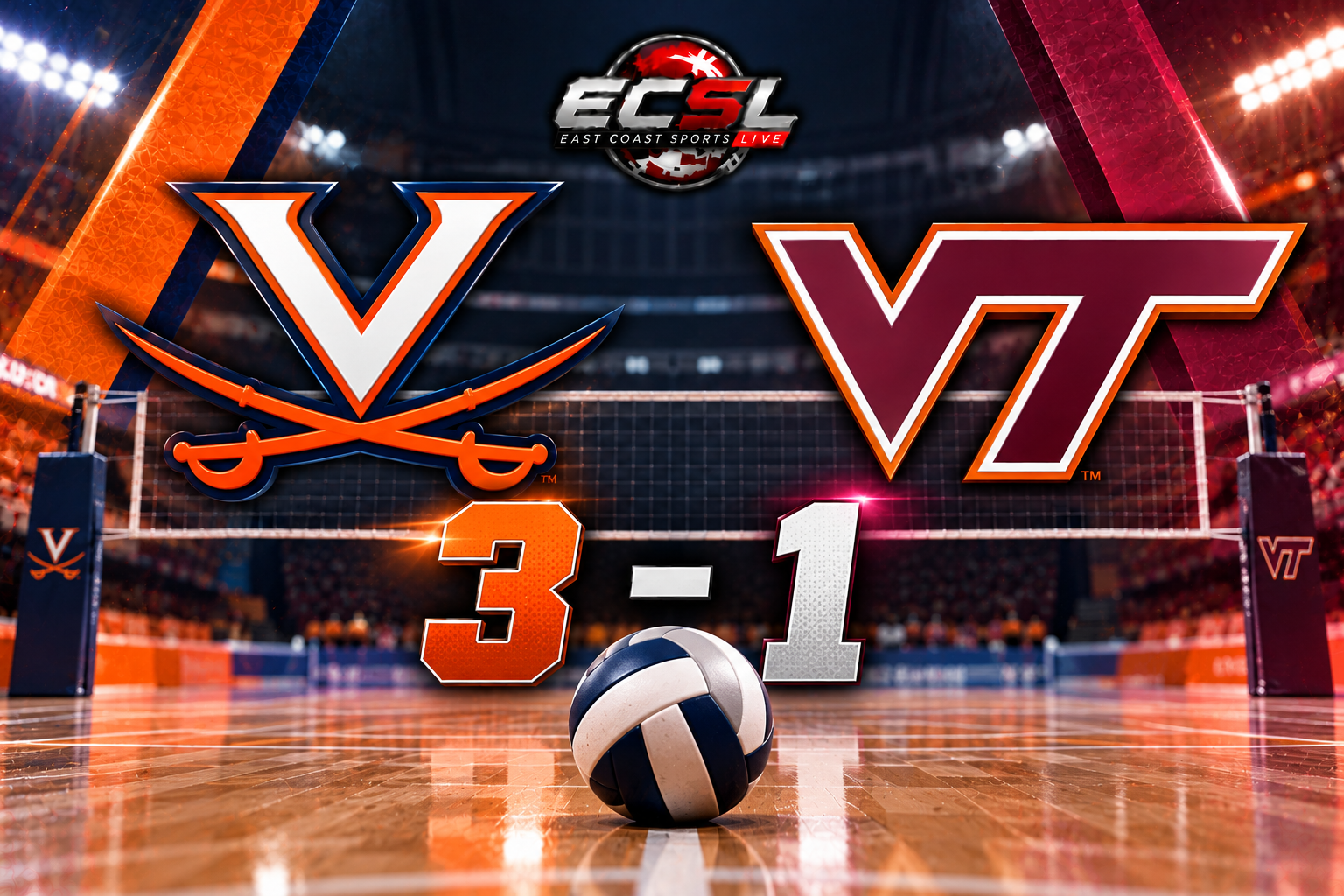
Virginia Defeats Virginia Tech 3-1 Behind Becca Wight's 11 Kills, Extends Rivalry Win Streak to Nine