

Ole Miss Coach Pete Golding Pushes Back on Transfer Portal Tampering Criticism Amid NCAA Investigation
The debate over transfer portal tampering took center stage at SEC Media Days as Ole Miss head coach Pete Golding forcefully defended his program while questioning whether the current college football system makes tampering nearly impossible to avoid.
Golding addressed repeated questions surrounding allegations made by Clemson head coach Dabo Swinney, who has accused Ole Miss of improperly recruiting linebacker Luke Ferrelli after the player had enrolled at Clemson. While the NCAA continues investigating the matter, Golding insisted his program has followed established procedures and argued that the larger issue lies within a transfer portal system he believes encourages back-channel communication.
Rather than focusing solely on the allegations involving Ole Miss, Golding used the opportunity to criticize what he described as a "broken" model that affects nearly every program in college football.
Golding Defends Ole Miss Recruiting Practices
During his appearance at SEC Media Days, Golding was asked multiple times about the ongoing tampering allegations.
Instead of directly debating Clemson's accusations, he pointed to Ole Miss' compliance department, saying those officials are responsible for ensuring the program follows NCAA rules. Golding emphasized that his coaching staff's responsibility is to recruit talented players, develop them, and prepare them to compete at a championship level.
His comments represented the strongest public response yet from the Ole Miss program since the controversy began earlier this year.
Why Golding Believes the Current System Is Broken
Golding argued that the transfer portal's structure creates unrealistic expectations for athletes and coaches alike.
Using a workplace analogy, he questioned why anyone would leave a paying job before discussing opportunities elsewhere. In his view, players entering the transfer portal while using a "do-not-contact" designation creates a contradiction because meaningful recruiting conversations often occur before an athlete officially enters the portal.
According to Golding, the current environment places players, coaches, and representatives in difficult situations while rewarding behavior that many critics publicly condemn.
The Allegations Involving Luke Ferrelli
The controversy centers on linebacker Luke Ferrelli, who transferred from California to Clemson before later enrolling at Ole Miss.
Clemson head coach Dabo Swinney has publicly alleged that Golding contacted Ferrelli after the linebacker had already signed with Clemson and begun classes. According to Swinney, Ole Miss presented Ferrelli with a lucrative financial opportunity that ultimately convinced him to leave Clemson for Oxford.
Golding has not addressed the specific details of those allegations publicly, instead reiterating that Ole Miss' compliance department has fully cooperated with the NCAA investigation.
NCAA Investigation Remains Ongoing
The NCAA continues reviewing the tampering claims.
Ole Miss Athletic Director Keith Carter previously confirmed that the investigation remains active, while Golding has repeatedly stated that the university's compliance office has submitted the requested information and is handling communication with NCAA officials.
Although no final ruling has been announced, recent NCAA enforcement actions suggest tampering violations can result in penalties that include:
- Financial fines
- Probation
- Additional institutional sanctions depending on the findings
For now, Ole Miss continues preparing for the upcoming season while awaiting the NCAA's decision.
Golding Says Coaches Face Similar Situations
Golding also challenged what he described as hypocrisy surrounding discussions of tampering.
He argued that college coaches frequently receive interest from athletic directors at other universities while still under contract, suggesting similar back-channel communication exists throughout the coaching profession.
According to Golding, many of the same people criticizing player movement also participate in informal discussions involving coaching hires before contracts officially expire.
While acknowledging he does not have every answer, Golding believes the issue extends far beyond one program or one recruiting case.
Dabo Swinney Continues Calling for Reform
Golding's comments came less than a week after Swinney renewed his criticism during ACC Media Days.
The Clemson coach has consistently argued that college football needs stronger, enforceable rules governing transfer portal recruiting. He has also suggested federal legislation may ultimately be necessary because current NCAA enforcement mechanisms have failed to discourage tampering across the sport.
In response to growing concerns from multiple programs, the NCAA previously distributed a memo warning member institutions that tampering violations could lead to harsher penalties moving forward.
Ole Miss Faces Additional Scrutiny
The Ferrelli case is not the only matter drawing attention to the Rebels.
According to reports referenced in the source material, both the NCAA and the College Sports Commission have examined aspects of Ole Miss' transfer portal activity and NIL agreements. The program is also considering legal action to recover buyout money from two former players who transferred to LSU.
Those developments have placed Ole Miss at the center of several of college football's biggest offseason discussions involving player movement and roster management.
Golding Addresses Relationship With Lane Kiffin
Beyond transfer portal questions, Golding also discussed his relationship with former Ole Miss head coach Lane Kiffin, who departed for LSU before last season's College Football Playoff.
Golding said he holds no resentment toward Kiffin and noted the two remain in regular contact. He credited Kiffin for helping him grow professionally during their time together in Oxford and acknowledged that Kiffin's departure ultimately created Golding's opportunity to become Ole Miss' head coach.
Their relationship will become another storyline this fall when LSU travels to Oxford on September 19 in one of the SEC's most anticipated matchups.
Transfer Portal Debate Shows No Signs of Slowing
Golding's comments reflect a broader conversation unfolding throughout college football.
As NIL opportunities continue expanding and transfer rules evolve, coaches across the country remain divided over how the system should operate. Some programs believe stricter enforcement is necessary to protect roster stability, while others argue the current model simply reflects the realities of today's marketplace.
With the NCAA investigation still pending and coaches continuing to voice competing perspectives, the debate surrounding transfer portal tampering is unlikely to disappear anytime soon. Instead, it remains one of the defining issues shaping the future of college football as conferences, schools, and governing bodies search for solutions that balance player freedom with competitive fairness.

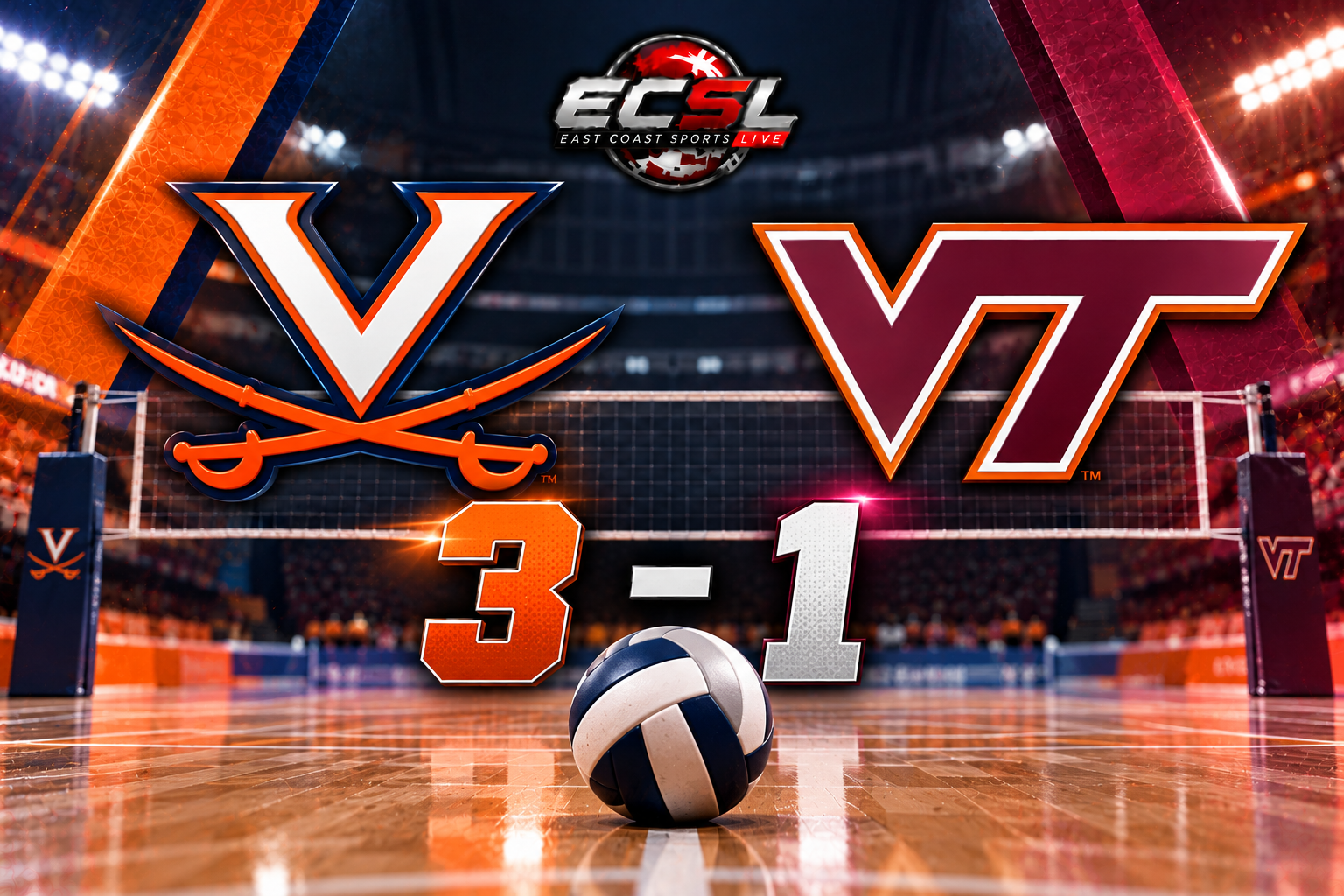
Virginia Defeats Virginia Tech 3-1 Behind Becca Wight's 11 Kills, Extends Rivalry Win Streak to Nine