
Amber Aniston • July 31, 2026

Why Harrison Bader's Scooter Crash Could Cost Him More Than the Rest of the Season

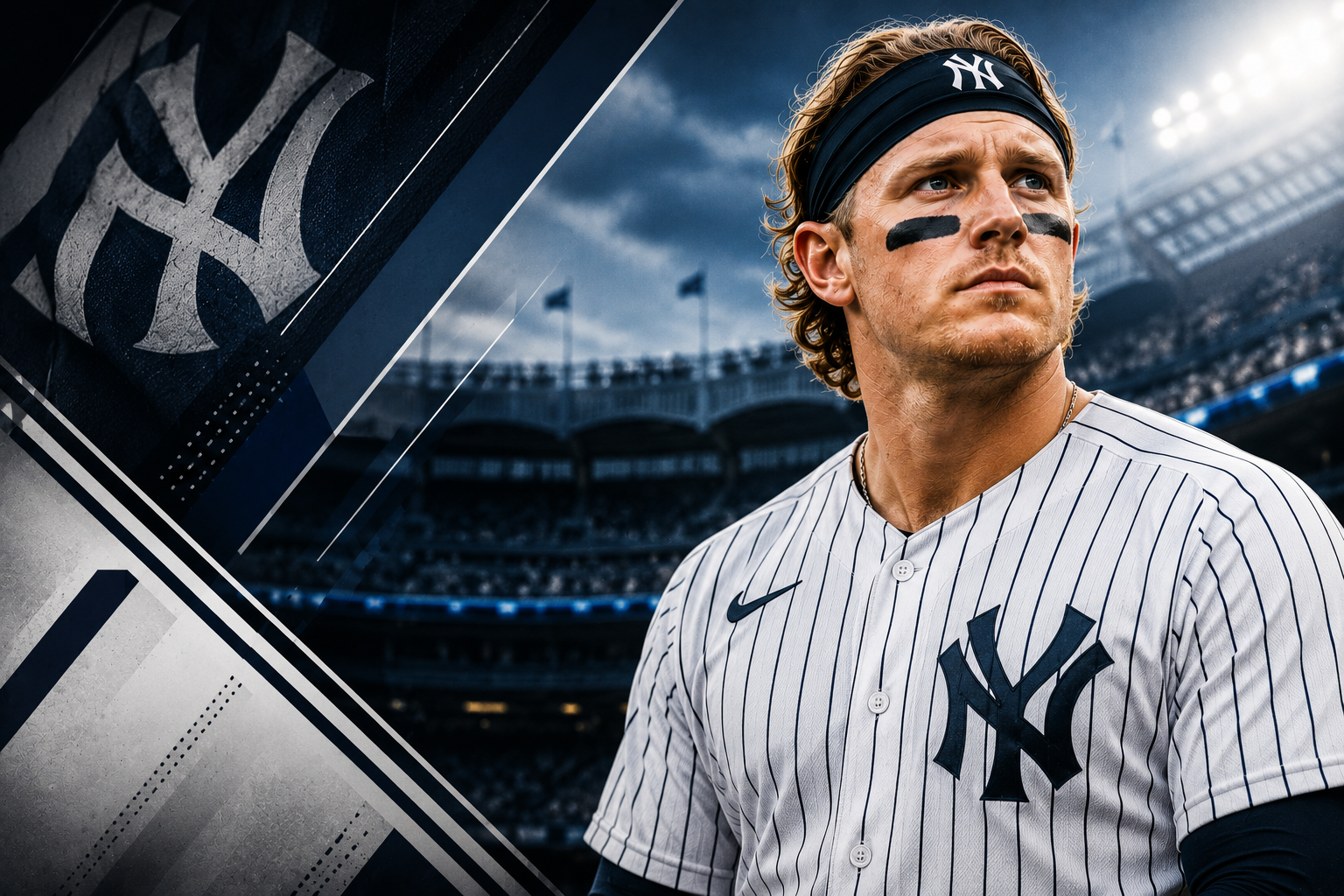
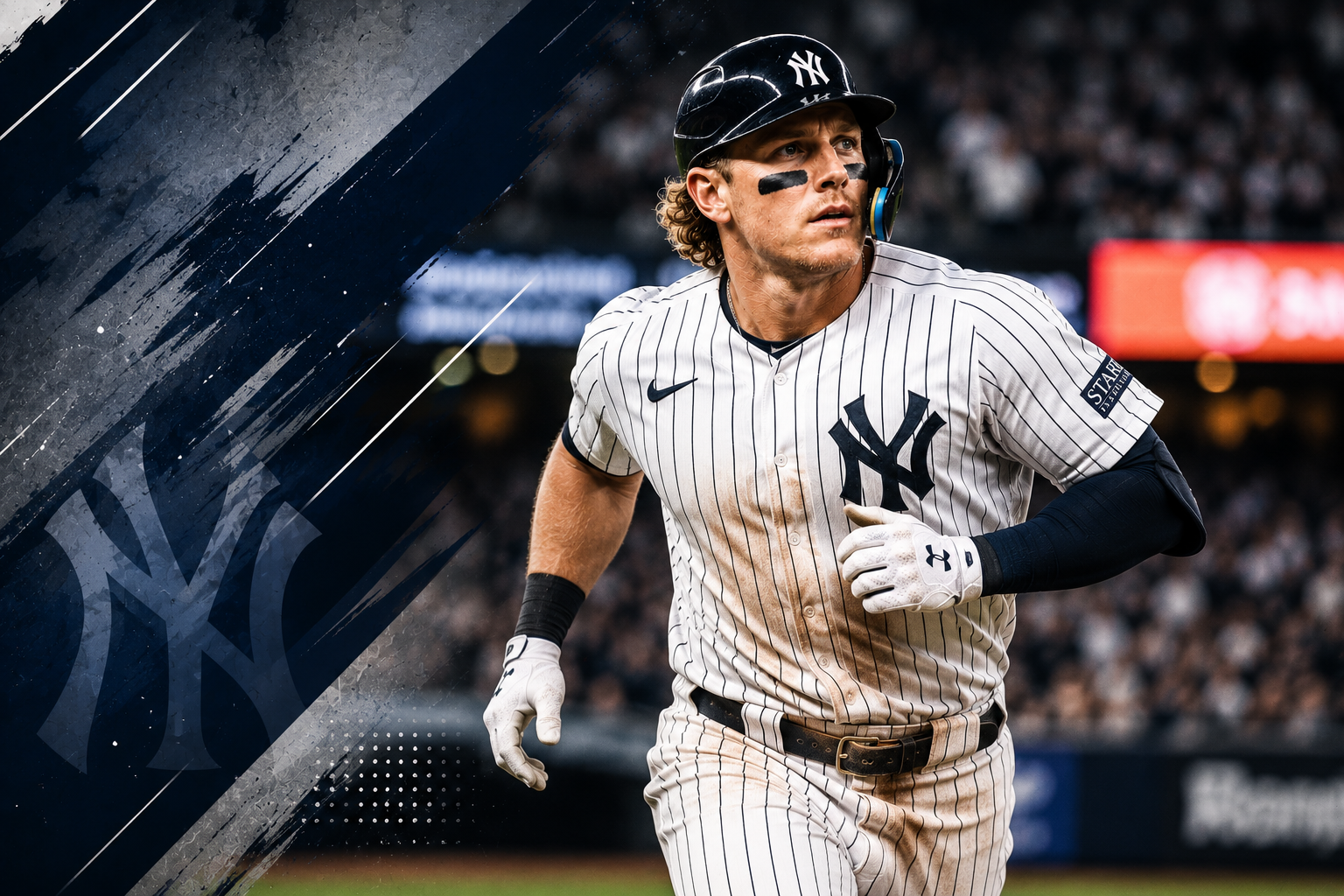
For the San Francisco Giants, Harrison Bader's latest injury may be only part of a much larger issue. 


The veteran outfielder has already been ruled out for the remainder of the 2026 season after aggravating an existing foot injury in a late-night scooter accident. But as details surrounding the incident continue to emerge, attention has shifted beyond his recovery and toward the potential contractual consequences. Reports indicate the Giants are still gathering information about what happened, raising questions about whether the accident could have implications beyond Bader's availability on the field. 


While no disciplinary action has been announced, the situation illustrates how an off-field incident can create uncertainty for both a player and an organization. 


A Season Already Derailed by Injuries 


Bader's 2026 campaign had already been disappointing before the scooter crash. 


The 32-year-old had been sidelined since May 29 with plantar fasciitis in his left foot after also missing time earlier in the season because of a hamstring injury. Limited to just 30 games, Bader struggled offensively, batting .170 with five home runs and 14 RBIs after signing a two-year, $20.5 million contract with San Francisco before the season. 


The scooter accident occurred just before Bader was scheduled to visit a specialist in Indianapolis to evaluate his lingering foot issues. Instead, the incident changed the nature of that evaluation, leading to additional imaging and ultimately ending his season. 


The Contract Questions Have Become the Bigger Story 


Injuries are part of professional sports. 


What makes Bader's situation different is the possibility that the accident occurred during an activity addressed in Major League Baseball contracts. 


According to reports referenced in the uploaded sources, MLB's collective bargaining agreement includes provisions restricting players from participating in certain high-risk activities without written permission from their club. Those provisions are designed to protect teams from assuming financial responsibility for injuries suffered during unnecessary off-field risks. 


Because of that language, some baseball reporters have questioned whether the Giants could examine whether the accident has any contractual implications. At this point, however, the organization has not announced that it intends to void, terminate, or otherwise alter Bader's contract. The team has only indicated that it is continuing to gather information about the incident. 


Details of the Accident Continue to Emerge 


The Giants initially disclosed only that Bader had been involved in a scooter accident. 


Subsequent reporting described the incident as occurring in San Francisco's Marina District during the early morning hours. According to those reports, Bader's scooter collided with the rear of a fire engine, and his already-injured left foot sustained additional trauma during the crash. Emergency personnel transported him to a local hospital with injuries that were reported as non-life-threatening. 


Multiple media outlets also reported witness accounts regarding Bader's activities before the crash. Those descriptions remain part of outside reporting rather than official findings by the Giants or Major League Baseball. 
A Familiar Situation in Giants History 


For longtime Giants fans, Bader's circumstances have prompted comparisons to one of the franchise's most memorable off-field controversies. 


In 2002, second baseman Jeff Kent fractured his wrist during spring training after a motorcycle accident. Kent initially claimed the injury occurred while washing his truck before later reports challenged that account. At the time, motorcycle riding was also considered a prohibited high-risk activity under his contract. 


Despite the controversy, the Giants chose not to pursue significant contractual action. Kent returned early in the regular season, hit a career-high 37 home runs, and helped San Francisco reach the World Series that year. 


The comparison provides historical context, but the situations are not identical. Kent quickly returned as one of the team's most productive players, while Bader has been limited by injuries throughout the season and struggled offensively when healthy. 


Why the Giants May Approach This Differently 


The circumstances surrounding Bader differ from Kent's in several important ways. 


Unlike Kent, Bader is in the first season of a multiyear contract while coming off one of the least productive stretches of his career. His limited availability and offensive struggles have prevented him from providing the impact the Giants expected when they signed him in free agency. 


Those factors do not determine how the organization will proceed, but they help explain why the contractual discussion has become part of the story. 


The Giants have not publicly accused Bader of violating his contract, nor have they announced any disciplinary measures. Until the club completes its review, questions surrounding the agreement remain speculative rather than resolved. 


Looking Ahead 


Bader's immediate focus will shift toward rehabilitation as he attempts to return healthy for next season. 


The Giants, meanwhile, must decide how the incident fits into their broader evaluation of a player who appeared in only 30 games during the first year of a significant free-agent contract. 


Whether the organization ultimately treats the scooter accident as an unfortunate setback or determines that additional contractual issues exist remains unknown. 


More Than an Injury 


For most athletes, a season-ending injury is the defining story. 


In Harrison Bader's case, the injury has become only one part of a larger conversation. 


The accident has sparked questions about contractual obligations, player responsibility, and how teams balance protecting their investments with supporting injured players. Until the Giants complete their review, those questions will likely remain part of the discussion surrounding Bader's future in San Francisco. 


For now, one fact is certain: his 2026 season is over. Whether the consequences end there is something only time—and the Giants' ongoing evaluation—will determine. 
Tony Romo wearing a broadcast headset during a CBS Sports football game broadcast.
By Amber Aniston July 31, 2026
CBS placed Tony Romo on leave following his Wisconsin arrest, elevating J.J. Watt to its lead NFL broadcast team as the season approaches.
By Amber Aniston July 31, 2026
Todd Bowles is keeping the Buccaneers focused on football despite Baker Mayfield's contract dispute and Vita Vea's trade request entering training camp.
FOOTBALL
By Amber Aniston July 31, 2026
FIFA's World Cup investment proposal has sparked opposition from major football confederations, with governance and transparency emerging as the central issues.
football player
By Amber Aniston July 30, 2026
Build a stronger 2026 fantasy football roster by understanding why drafting running backs early can create flexibility and long-term value in half-PPR leagues.
By Amber Aniston July 30, 2026
One of the most significant pieces of legislation in the history of college athletics is facing an uncertain future. The proposed Protect College Sports Act (PCSA) was designed to create a nationwide framework for regulating name, image and likeness (NIL), transfer rules, revenue sharing, and athlete eligibility. However, with the Big Ten and SEC withholding their formal support, lawmakers are running out of time to move the bipartisan bill through Congress before the Senate's August recess. The legislation has been viewed by many athletic directors and conference commissioners as the best opportunity to restore stability to an increasingly fragmented college sports landscape. But ongoing disagreements over several key provisions have placed its future in jeopardy. Why the Protect College Sports Act Matters College athletics has undergone dramatic changes over the past several years. NIL compensation, the transfer portal, athlete revenue sharing, and repeated court rulings have fundamentally altered how schools recruit, retain, and compensate student-athletes. The Protect College Sports Act was introduced to establish consistent national standards rather than leaving schools to navigate a patchwork of state laws and ongoing legal challenges. Among its major goals are: Creating uniform NIL regulations nationwide Standardizing transfer portal rules Establishing revenue-sharing guidelines Providing five years of athlete eligibility Giving conferences greater authority to enforce regulations Offering additional legal protections related to antitrust challenges Supporters believe the legislation could bring much-needed structure to college athletics after years of uncertainty. Why the Big Ten and SEC Have Not Signed Off Despite generally supporting federal legislation, the two most powerful conferences remain unwilling to endorse the current version of the bill. Conference leaders say several important issues remain unresolved, particularly language involving so-called "associated entities." These include corporate sponsors, multimedia rights partners, and outside organizations that could potentially direct additional compensation to athletes outside the proposed revenue-sharing cap. Big Ten and SEC officials argue that unless those loopholes are addressed, schools could effectively bypass spending limits, undermining the legislation's purpose.  Ohio State Athletic Director Ross Bjork summarized the conferences' position simply: "We need a ceiling." Revenue-Sharing Cap Remains the Biggest Obstacle Much of the debate centers on how athlete compensation would be limited. Current negotiations include a structure featuring: $21.3 million base revenue-sharing cap Approximately $20–22.5 million additional retention pool Up to $5 million designated for women's athletics Conference leaders support increasing athlete compensation but insist those figures must be paired with a truly enforceable hard cap. Without stronger safeguards, administrators worry schools could continue funneling money through outside partnerships while technically remaining under the cap. Time Is Becoming the Biggest Challenge Even if negotiators reach an agreement, Congress faces a rapidly approaching deadline. The Senate is scheduled to begin its month-long recess on August 7 , leaving only a narrow window for lawmakers to advance the legislation. Senate staff members have publicly acknowledged that every passing day reduces the likelihood of securing a floor vote before lawmakers leave Washington. Conference representatives and congressional staff have continued negotiating revised language, but formal approval from the Big Ten and SEC has yet to arrive. Lawmakers Say Major Concessions Have Already Been Made Congressional leaders argue they have significantly revised the proposal in response to conference concerns. According to reports included in the source material, lawmakers agreed to numerous requested changes, including: Stronger recruiting and tampering provisions Modified revenue-sharing language Changes involving conference governance Adjustments affecting NIL oversight Additional flexibility regarding institutional NIL agreements Despite those revisions, conference officials maintain they still need to review final legal language before committing their support. Conference Leaders Say They Need More Certainty Big Ten Commissioner Tony Petitti has repeatedly emphasized that conference officials cannot endorse language they have not fully reviewed. Rather than rejecting the legislation outright, Petitti has described the negotiations as an effort to ensure the final bill accomplishes its intended purpose. Conference officials also continue seeking broader antitrust protections and greater certainty regarding how future enforcement would work under the proposed law. SEC Commissioner Greg Sankey has similarly stated in recent weeks that congressional legislation remains the preferred outcome but acknowledged the conference has discussed alternative governance models if federal action ultimately fails. Alternative Plans Already Being Discussed If Congress cannot pass the Protect College Sports Act, college athletics may move toward alternative solutions. Among the possibilities currently under discussion are: Plan B Revising the current College Sports Commission structure Negotiating updated revenue-sharing rules among the Power Four conferences Creating stronger conference-led enforcement mechanisms Plan C A self-governance model led by the major conferences Independent enforcement of recruiting, NIL, and compensation rules Greater conference autonomy outside the existing NCAA structure Neither option is considered ideal by conference leaders, who continue describing federal legislation as the preferred long-term solution. Industry Remains Divided Not every stakeholder agrees with the conferences' position. Executives representing multimedia rights companies argue that legitimate endorsement agreements should not automatically count against athlete compensation limits. Others believe an overly restrictive cap could unintentionally reduce genuine commercial opportunities for student-athletes who have built valuable personal brands. That disagreement highlights the broader challenge facing lawmakers: balancing competitive fairness with athletes' growing opportunities to profit from their name, image, and likeness. What's Next? Negotiations between congressional leaders, the White House, and conference representatives remain ongoing. According to the latest reports, lawmakers submitted what has been described as a "best and final" revised version of the legislation to the Big Ten and SEC while asking both conferences to make their decision quickly. Whether that will be enough to secure their support remains unclear. For now, the Protect College Sports Act remains alive—but time is quickly becoming its biggest opponent. If an agreement cannot be reached before Congress begins its August recess, the effort to establish national standards for college athletics could be delayed for months, leaving schools, athletes, conferences, and fans to continue navigating one of the most uncertain periods in the history of collegiate sports.
By Angelie Te July 30, 2026
This article is a practical guide to sports sponsorship activation for brands, schools, athletic programs, and event organizers working around live sports coverage. Whether you run a booster club, manage athletic marketing for a district, or represent a company looking at sponsorship opportunities, the strategies here focus on live and streamed sports events rather than generic sponsorship theory. Target readers: brand marketers, athletic directors, booster clubs, school communications teams, and event organizers planning sponsor integration around streamed or televised games.
By Angelie Te July 30, 2026
1. Why High School Sports Live Streaming Matters Before the Next Big Game Friday night football under the lights, winter basketball tournaments packed into a single gym, spring baseball doubleheaders that stretch past sundown - none of these moments stay local anymore. Parents watching from a work trip, grandparents three states away, and college recruiters scanning for their next recruit all expect to watch high school games the moment they happen. High school sports live streaming has shifted from a nice-to-have experiment to a baseline expectation for 2026 athletic programs.
USC Trojans football head coach
By Amber Aniston July 29, 2026
One of college football's most iconic rivalries remains on pause, and USC head coach Lincoln Riley continues to believe the series could have continued if negotiations had unfolded differently. Speaking during Big Ten Media Days , Riley reiterated that he wants the annual matchup between USC and Notre Dame to remain on the schedule. However, he also suggested the Fighting Irish bear responsibility for the current hiatus after the two schools failed to reach an agreement on extending the series beyond its previous contract. The rivalry, which has been played nearly every year for almost a century, will not be contested this season for just the fifth time since World War II, ending one of the longest continuous traditions in college football. Lincoln Riley Says USC Wanted to Keep Playing Riley made it clear that USC's desire to continue the rivalry has not changed. When asked about the status of future games, the Trojans coach said his position remains the same and expressed hope that the two programs can eventually return the matchup to the college football calendar. According to Riley, the game would still be taking place had previous discussions resulted in the agreement USC expected. "Nothing's changed from my vantage point," Riley said. "We want to play the game. I want to play the game." While Riley stopped short of directly criticizing Notre Dame by name, his comments reinforced USC's longstanding position regarding the stalled negotiations. Why the Rivalry Was Paused The disagreement centered largely on scheduling. USC reportedly wanted to move the annual rivalry from its traditional late-season date to Week 0 , believing an early-season matchup would reduce the potential impact a late loss could have on the Trojans' College Football Playoff hopes. Notre Dame declined that proposal. Head coach Marcus Freeman previously explained that while he is willing to play USC "anytime, anywhere," moving a game that had historically been scheduled near the end of the regular season to the opening week was not in the best interest of the Irish program. Without an agreement on scheduling, the rivalry was placed on hold. A Rivalry Unlike Almost Any Other Few games in college football carry the historical significance of Notre Dame versus USC. The programs have met: 96 times entering the hiatus 78 of the last 79 seasons Every year except the COVID-affected 2020 season during that stretch Before the 2020 interruption, the only extended pause came during World War II , when the rivalry was not played for three consecutive seasons. The annual matchup has featured numerous Hall of Fame players, Heisman Trophy winners, national championship teams, and unforgettable finishes that helped shape college football's national popularity. Why Scheduling Became More Complicated The changing landscape of college football has made scheduling marquee nonconference games increasingly difficult. USC now competes in the Big Ten , where annual conference schedules already include several nationally ranked opponents. Combined with expanded College Football Playoff discussions, many programs are carefully evaluating how difficult nonconference schedules could affect postseason opportunities. Some observers believe that concern influenced USC's request to move the rivalry earlier in the season, allowing the Trojans additional opportunities to recover from a loss before playoff selections are made. Notre Dame, meanwhile, maintained that preserving the rivalry's traditional place on the calendar remained important. Notre Dame Quickly Filled the Opening Following the breakdown in negotiations, Notre Dame moved quickly to adjust its future schedule. The Irish announced a home-and-home series with BYU , a decision USC supporters have pointed to as evidence that Notre Dame was prepared to move on from the rivalry rather than continue negotiations. Notre Dame officials have not publicly blamed USC for the hiatus, instead emphasizing that scheduling decisions must reflect what is best for the football program as a whole. Freeman has consistently stated that he understands USC must also make decisions based on its own competitive priorities. Could the Rivalry Return? Despite the current break, neither school appears ready to end the rivalry permanently. Reports referenced in the source material indicate both programs remain interested in renewing the series, with 2030 viewed as the earliest realistic opportunity for games to resume. Several factors could make future negotiations easier. Among them are: Potential expansion of the College Football Playoff Changes to conference scheduling models Greater flexibility in nonconference scheduling Long-term television agreements that accommodate marquee rivalry games If those developments occur, both schools may find it easier to restore one of college football's premier annual matchups. Fans Continue Hoping for a Resolution The pause has disappointed fans on both sides. For generations, Notre Dame and USC have represented one of the sport's defining intersectional rivalries, regularly matching national powers from opposite coasts in games that often carried championship implications. The series has also produced some of college football's most memorable moments while featuring legendary coaches and countless future NFL stars. Its absence leaves a noticeable gap on the national schedule. The Tradition Isn't Gone—Just Waiting While Lincoln Riley continues to suggest Notre Dame deserves much of the blame for the current hiatus, both programs have consistently expressed a desire to eventually bring the rivalry back. Whether that happens in 2030 or later remains uncertain, but there appears to be mutual recognition that college football is better when Notre Dame and USC share the field. Until an agreement is reached, one of the sport's greatest traditions will remain on hold, with fans left hoping the rivalry returns before another generation misses the opportunity to experience one of college football's most celebrated annual games.
More Posts