Sports Sponsorship Activation: Turning Game-Day Visibility Into Lasting Brand Value
This article is a practical guide to sports sponsorship activation for brands, schools, athletic programs, and event organizers working around live sports coverage. Whether you run a booster club, manage athletic marketing for a district, or represent a company looking at sponsorship opportunities, the strategies here focus on live and streamed sports events rather than generic sponsorship theory.
Target readers: brand marketers, athletic directors, booster clubs, school communications teams, and event organizers planning sponsor integration around streamed or televised games.

What Is Sports Sponsorship Activation (And Why Rights Fees Alone Don't Work)?
A sports sponsorship deal that puts a logo on a jersey or banner but does nothing else is a silent sponsorship. Sports sponsorship activation is the opposite: it turns that deal into deliberate marketing initiatives, content, experiences, and campaigns that move fans from passive viewers to engaged customers.
Sponsorship activation maximizes the investment beyond logo placement. Consider the difference: a local bank's logo on a scoreboard versus that same bank featured in a "Student Saver of the Game" segment during a high school football livestream, with the student's story told on air and shared on social media afterward. Or a healthcare sponsor at a regional soccer tournament who runs concussion-awareness video segments on the broadcast and hosts a safety expo on-site with QR codes linking to health resources. Both approaches create brand awareness that lasts well past the final whistle.
Sports sponsorship enhances brand visibility and audience engagement, but only when the sponsorship dollars go beyond the rights fee. Brands invest only 81 cents in activation for every dollar spent on the rights themselves. That gap matters because 44% of attendees say logos on signs do not affect their choices. Without activation, event brand exposure stays shallow. Sponsorships must evolve beyond selling space for logos. The goal is to create unique moments that connect a sponsor's story to the audience's passion for the game.
From Logo Placement to Immersive Fan Experience: How Sports Sponsorships Changed
Through the 1990s and early 2000s, most sports event sponsorship amounted to static placement: dasher boards, jersey patches, simple commercial breaks. Fans saw the logo. They rarely interacted with the brand behind it.
The shift started when teams introduced interactive fan zones, on-field contests, and halftime promotions presented by sponsors. NBA arenas now feature sponsored "Fan Cam" segments and skills challenges where a telecom or banking company gets three minutes of crowd attention tied to entertainment, not a billboard. Key strategies include experiential fan zones and social media campaigns that turn a person in the stands into a participant rather than a spectator.
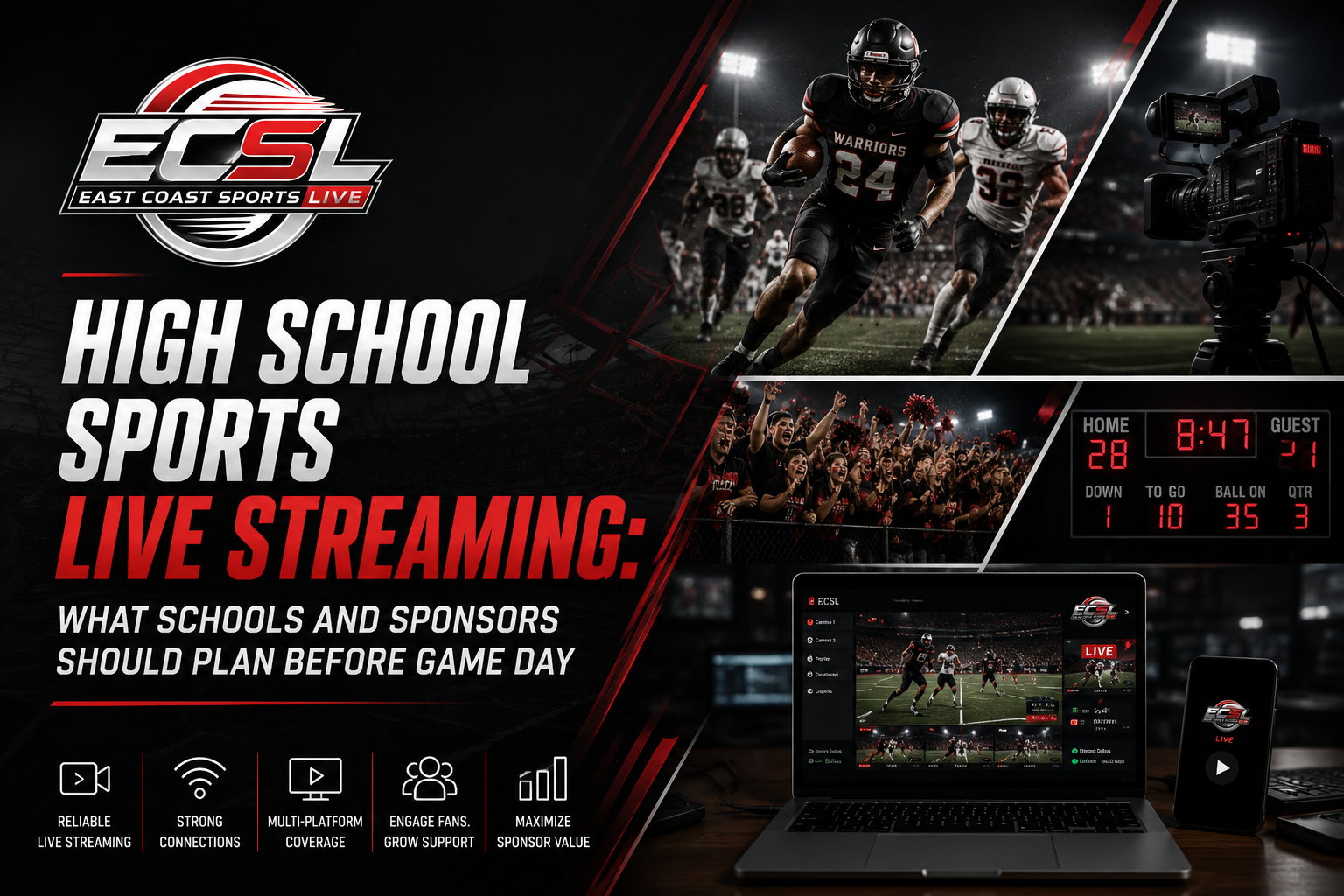
Digital streaming accelerated this. Since the mid-2010s, school and college games have aired in HD and 4K on YouTube, Facebook, and custom OTT apps. Frisco ISD in Texas streams over 4,000 games annually across 77 schools, opening new space for broadcast sponsorship inventory like scorebugs, lower thirds, and branded feature segments. NFL teams generated $2.5B in sponsorship revenue in 2022, and much of that value came from activated media, not static signs. Effective sports sponsorship activation requires immersive experiences, and younger audiences in 2024 through 2026 expect exactly that: personalization, alignment with brand values, and content that feels organic to the fan experience.
Core Components of High-Impact Sports Sponsorship Activation
Every activation plan, from a youth league to a college program, rests on several building blocks. Here they are in practical order:
Clear objectives and KPIs. Are you after increased brand awareness, lead generation, alumni engagement, or new customers at a sponsor's business? Define the target before you design the activation.
Audience insight. Know who watches and where. Parents streaming from home behave differently than students in the student section scrolling TikTok. Market research, even a short survey, shapes which channels matter most.
Creative concept. Brands invest in storytelling to enhance audience engagement. A "Student-Athlete Spotlight" series or an injury-prevention feature tells a story; a rotating banner ad does not.
Multi-channel plan. Cover in-venue signage, live broadcast elements, and digital or social content. Each channel reinforces the others.
Staff and volunteer playbook. Assign who handles announcer scripts, who posts to social media, who sets up venue signage. Write it down.
Measurement framework. Track KPIs agreed to at the start. (More on this below.)
Post-season review. Gather data, deliver a sponsor recap, and document what worked. Sponsorship activations should evolve as living brand narratives, not repeat the same plan unchanged.
Engaging fans creates opportunities for lead generation and sales. Sponsorships can provide financial support to teams and events, but that support flows both directions when the organization proves results. East Coast Sports Live can help map these components into an activation calendar tied to seasonal schedules: fall football Fridays, winter basketball tournaments, spring baseball series.
Aligning Sponsors, Brand Values, and Fan Communities
The best athletic marketing partnerships feel natural because the sponsor's brand values match the school, team, or event culture. Sponsorship integration creates meaningful connections with audiences when both sides share a purpose.
Before signing a contract, audit values on both sides. Surface priorities like education, health, local business support, or sustainability in a discovery meeting. Successful activations require a deep understanding of brand stories on both the sponsor and rightsholder side.
Concrete matchups make this real. A regional hospital sponsoring a "Play Safe" injury-prevention feature during soccer broadcasts connects healthcare expertise with parent concerns. A community bank sponsoring "Senior Night" recognition for student-athletes heading to college links financial services to family milestones. Effective sponsorships align brand values with audience emotions; sponsorships should create emotional connections with audiences, not just transactional ones.
Misalignment risks backlash. If a sponsor's messaging conflicts with school guidelines or governing-body rules, the partnership erodes trust instead of building it. The fix: create a short "partnership purpose statement" that both parties approve before the season starts. Use it as a north star for every activation decision; for example, "Our partnership exists to promote student health and academic success through safe athletics."
Designing Activation Across Live Broadcast, In-Venue, and Digital Channels
Modern sports sponsorship activation works best when it connects three arenas: the live venue, the broadcast or stream, and digital or social channels before and after the event.
In-venue activation
Branded entrances, concourse interactive displays, PA reads, and on-court contests give attendees a memorable experience tied to the sponsor. QR codes on programs or banners drive fans to sponsor offers, landing pages, or content. Interactive fan zones allow direct engagement with the brand in the physical space where passion runs highest.
Broadcast and stream activation
For coverage similar to what East Coast Sports Live produces, options include branded scorebugs, replay segments ("Replay brought to you by…"), lower thirds, live announcer reads, and short feature segments about local sponsors. These broadcast sponsorship elements reach the audience watching from home, at work, or on mobile.
Digital and social extensions
Pre-game hype videos co-branded with sponsors, halftime polls on Instagram Stories, and post-game highlight reels featuring sponsor marks extend exposure across the week. Creating personalized online experiences increases fan engagement; a highlight reel tagged with a student-athlete's name and shared by their family reaches more people than a static ad. Email recaps sent to parents and alumni keep the sponsor visible between games.
A simple seasonal content calendar can coordinate all three channels around key games, rivalries, tournaments, homecoming, and senior recognitions. Experiential marketing events enhance brand engagement and awareness when the different aspects of venue, broadcast, and digital work together.

Building a Practical Sports Sponsorship Activation Plan (Step-by-Step)
Here is a roadmap for a full season. Adjust the timeline whether you are planning for August-to-November football or November-to-March basketball.
90 days before season start: Discovery and goal-setting. Meet with each sponsor to define objectives. What does success look like? Increased awareness? Foot traffic? Leads? Agree on KPIs and a partnership purpose statement.
60 days out: Asset inventory and brainstorm. Catalog available broadcast placements (scorebugs, lower thirds, feature segments), venue signage locations, social media reach, email list size, and the event calendar. Then brainstorm activation ideas tied to those assets and the sponsor's budget.
45 days out: Activation calendar. Finalize which games get which activations. Assign halftime features, student recognitions, food or retail promotions, and digital content drops to specific dates.
2-3 weeks before opening game: Content production. Record video segments, design graphics, write announcer scripts, print signage, and prepare social templates.
Game days: Execution. Each person on the team has a clear role. The athletic director manages venue logistics. The booster club or sponsorship coordinator oversees sponsor relations. Marketing or communications staff handle content, social posts, and email. The sponsor's marketing lead approves messaging.
Mid-season (around game 5): Review. Pull KPI data, collect feedback, and adjust remaining activations.
Within 2 weeks after season: Final recap. Deliver a sponsor report with metrics, screenshots, sample posts, and insights. Use this for renewal conversations.
East Coast Sports Live can facilitate planning calls and provide templates for run-of-show documents, announcer script notes, and sponsor asset maps to keep activation organized and repeatable year to year.
Making Activation Measurable: KPIs, Data, and Realistic ROI
Sports sponsorship activation should be evaluated with specific, agreed KPIs. Measuring beyond impressions evaluates success more effectively, and sponsorships must deliver measurable ROI for sponsors.
Yet 78% of sponsors say ROI is their top challenge. Nearly half of sponsorship professionals lack confidence in their measurement methods. The solution is not a perfect attribution model; it is honest, trackable data tied to clear goals.
Digital KPIs: branded website visits from QR codes or URLs mentioned in broadcasts, contest entries, email signups, coupon redemptions at local businesses, and social media engagement on co-branded posts. Measurable outcomes should include leads and session traffic, not just view counts.
Broadcast KPIs: viewer counts per game, watch time around sponsored segments, click-throughs from pinned links in the stream chat, and comment activity linked to sponsor calls-to-action. Live broadcasts and streams provide these digital touchpoints automatically.
On-site KPIs: short fan surveys at the concession line, redemption of codes printed on tickets or programs, and faculty or staff feedback about sponsor perception.
Schools and event organizers can offer transparent recaps to sponsors: screenshots of broadcasts, sample social posts, photo proof of venue signage, and basic analytics exports. This builds loyalty and sets up renewals. Deloitte projects the global sports-sponsorship market at $97 billion in 2025; the organizations that prove value to their sponsors will capture a growing share.
Real-World Activation Ideas for Different Sponsor Types
Think of this as a menu. Pick what fits your sponsor category, venue, and audience.
Local banks and credit unions
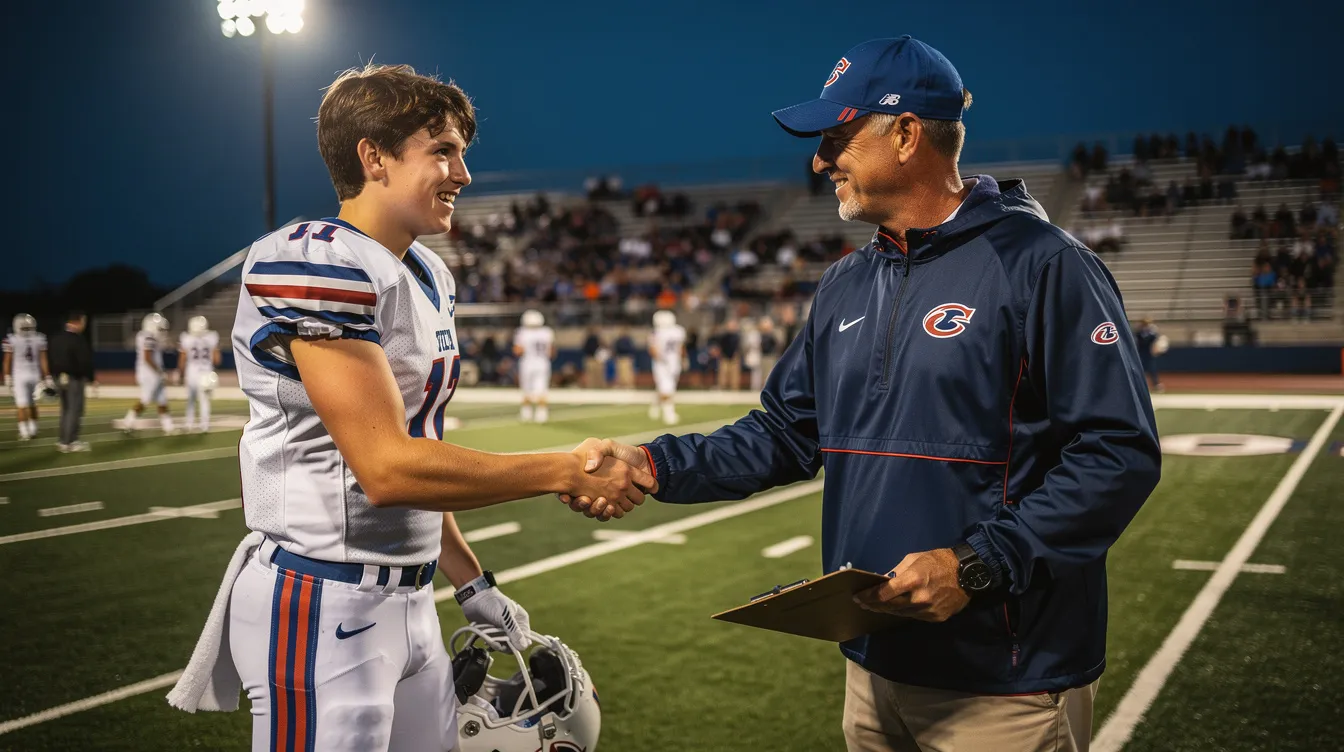
Scholarship spotlights on broadcasts. A "Student Saver of the Game" feature where a student-athlete is recognized for academic and athletic achievement. Financial-literacy mini-segments during halftime. Co-branded college-planning nights streamed for families. Story-driven activations can boost brand loyalty when a bank connects its identity to student success.
Healthcare providers
"Injury Prevention Tip of the Week" videos aired during pre-game shows. Sideline sports-medicine features where a company's athletic trainer explains a common injury. Branded hydration stations at the venue. Mental-health awareness campaigns integrated into broadcast segments. Involving athletes in activations lends authenticity to campaigns; a student-athlete sharing their own recovery story with a healthcare partner hits harder than a paid media spot.
Restaurants and retail
"Game Night Specials" promoted in streams with a promo code. Fan-of-the-game gift card giveaways. Loyalty punch cards tied to home wins. Photo booths or selfie spots at the venue with sponsor props and food samples. These tactics turn advertising into participation, creating a memorable experience that drives new customers through the door.
Universities and training academies
Recruiting spotlight features during broadcasts. Behind-the-scenes facility tours filmed and aired as commercial breaks. Skills clinics or Q&A sessions with coaches livestreamed with sponsor branding. Authentic storytelling about the path from high school to college athletics ties the academy's brand building goals to the hosting school's audience.
Common Activation Mistakes (And How to Avoid Them)
Many sports sponsorships underperform not because the audience is wrong but because activation is shallow, inconsistent, or rushed.
Relying on static signage alone. 44% of attendees say logos do not influence their choices. If your activation plan is just a banner, you are leaving money and engagement on the table. Add a content feature, a contest, or a digital follow-up.
Planning too late. Starting activation work after schedules are set leaves no time for creative development. Schedule a pre-season strategy session 60 to 90 days out.
Overloading broadcasts. Too many sponsor reads per quarter cause audience fatigue. Cap mentions and focus on quality over quantity. One clear call-to-action per sponsor per game is more effective than five generic reads.
Ignoring mobile and social channels. Younger fans engage on their phones during games. If your activation skips Instagram, TikTok, or text-based promotions, you are missing specific audiences where engagement actually happens.
Pushing hard-sell messaging. School athletics and community events call for a values-based approach. Shift from promoting products to telling stories, recognizing students, and supporting the mission. Successful activations rely on deep understanding of brand stories, not aggressive commercial pressure.
Ensure all copy, visuals, and offers comply with district policies and governing-body rules. Compliance protects both the school's reputation and the sponsor's investment.
How East Coast Sports Live Supports Sports Sponsorship Activation
East Coast Sports Live focuses on live and on-demand sports coverage for schools, athletic programs, and local events along the East Coast, with integrated sponsor activation support built into the production workflow.
The team maps sponsor assets into live broadcasts: designing lower-third graphics, scorebug branding, scripting announcer reads, and coordinating pre-produced sponsor segments. Athletic directors and brand partners get joint planning calls, content reviews, and real-time adjustments across a season to keep activations fresh and aligned with evolving goals.
One example: a regional basketball tournament used co-branded highlight packages produced by East Coast Sports Live. The championship game featured a "presented by" sponsor segment. Those highlight reels circulated on social media and email for weeks after the final buzzer, extending the sponsor's visibility well beyond the event itself.
Ready to discuss sports sponsorship activation? Contact East Coast Sports Live to start mapping your sponsor assets into this season's broadcasts.

FAQs About Sports Sponsorship Activation
What is the difference between sports sponsorship and sports sponsorship activation? A sponsorship deal gives you rights: logos, naming, signage. Activation adds the marketing actions that turn those rights into outcomes like leads, community engagement, or increased brand awareness. Without activation, you have visibility but not value.
How early before our season should we start planning sponsor integration? Start 60 to 90 days before the first game. Use the first month for asset inventory and sponsor discovery meetings. Use the second month for creative production and calendar finalization. A sports media package works best when built with lead time.
Can smaller schools or clubs still offer compelling sponsor activations? Yes. Millard North High School in Nebraska doubled its sponsorship revenue after shifting to a more dynamic activation model with video spots and student-produced content. Even modest livestreams and social media accounts create meaningful connections when used with intention.
How do we know if our sports event sponsorship is working? Use agreed KPIs: website traffic from broadcast URLs, contest entries, QR code scans, social engagement, and coupon redemptions. Track renewals as a long-term success indicator.
How do we balance sponsor exposure with the fan experience? Limit sponsor mentions per game. Integrate messaging that enhances the broadcast, like student recognitions or safety tips, rather than interrupting it. Thoughtful activation supports the game instead of competing with it. The focus should stay on the athletes, the competition, and the community the event serves.