Amber Aniston • October 21, 2024

Oregon Rises to No. 1 as Alabama Falls in Week 9 AP Poll

The college football landscape continues to shift dramatically as Oregon takes the No. 1 spot in this week’s AP Top 25 poll, while perennial powerhouse Alabama slides down after suffering a second loss. This week’s rankings come in the wake of several significant matchups, and the outcome of these games has reshaped the national championship picture for several teams.


AP Top 25 Rankings (Week 9)

  1. Oregon (7-0)
  2. Georgia (6-1)
  3. Penn State (7-0)
  4. Ohio State (6-1)
  5. Texas (6-1)
  6. Miami (7-0)
  7. Tennessee (5-1)
  8. LSU (6-2)
  9. Clemson (6-1)
  10. Iowa State (7-0)
  11. Oklahoma State (5-2)
  12. Florida State (6-1)
  13. North Carolina (6-1)
  14. USC (5-2)
  15. Alabama (5-2)
  16. Washington (6-2)
  17. Notre Dame (5-2)
  18. Ole Miss (5-2)
  19. Missouri (5-2)
  20. Illinois (6-1)
  21. Oregon State (6-1)
  22. Utah (5-2)
  23. Army (7-0)
  24. Navy (6-1)
  25. Vanderbilt (5-2)


Oregon Takes the Top Spot

Oregon has capitalized on the chaos at the top, moving into the No. 1 position with a perfect 7-0 record. The Ducks, who were ranked second in the previous poll, benefited from Georgia’s win over then-No. 1 Texas, allowing them to leap into the top spot. Oregon’s recent top-five victory over Ohio State, coupled with their consistent performances, solidified their position as the top-ranked team in the country.


Georgia also surged in the rankings, climbing to No. 2 following their 30-15 win over Texas. The Bulldogs were dominant against the Longhorns, controlling the game from the outset and reaffirming their position as one of the nation's top teams. Texas, meanwhile, dropped to No. 5 after the loss, ending their undefeated run.


Top 10 Shake-Up

Behind Oregon and Georgia, the rest of the top 10 has seen some movement. Penn State, which remained undefeated over the weekend, held steady at No. 3. The Nittany Lions have continued to build their case as a College Football Playoff contender, showcasing a well-rounded team that has yet to face a major stumble. Ohio State, another Big Ten powerhouse, retained its No. 4 spot, setting up an exciting race in the Big Ten as the season progresses.


Miami also maintained its position at No. 6 after a thrilling shootout victory. The Hurricanes, with a 7-0 record, are still in the hunt for a playoff spot as they eye a favorable schedule down the stretch.


Tennessee rose to No. 7 after defeating Alabama, marking a significant win for the Volunteers in what has been a rollercoaster season. This victory over the Crimson Tide not only propelled them up the rankings but also kept their playoff hopes alive.


LSU, Clemson, and Iowa State rounded out the rest of the top 10, with all three teams picking up wins over the weekend. Iowa State, in particular, has been one of the surprise teams of the season, remaining undefeated and sitting just outside the top five.


Alabama's Fall

The most significant storyline in this week’s rankings is Alabama’s drop to No. 15. After losing to Tennessee 24-17, Alabama now has two losses, marking the first time since 2007 that the Crimson Tide have suffered multiple defeats before November. This dip is also the first time since 2010 that Alabama has fallen below No. 15 in the AP poll, raising questions about their playoff chances and the overall direction of the program under first-year head coach Kalen DeBoer.


With back-to-back losses, Alabama’s playoff hopes have taken a severe hit, and the road ahead doesn’t get any easier. The Crimson Tide will need to regroup quickly if they want to salvage their season, but the competition in the SEC will be unforgiving in the weeks to come.


New Faces in the Top 25

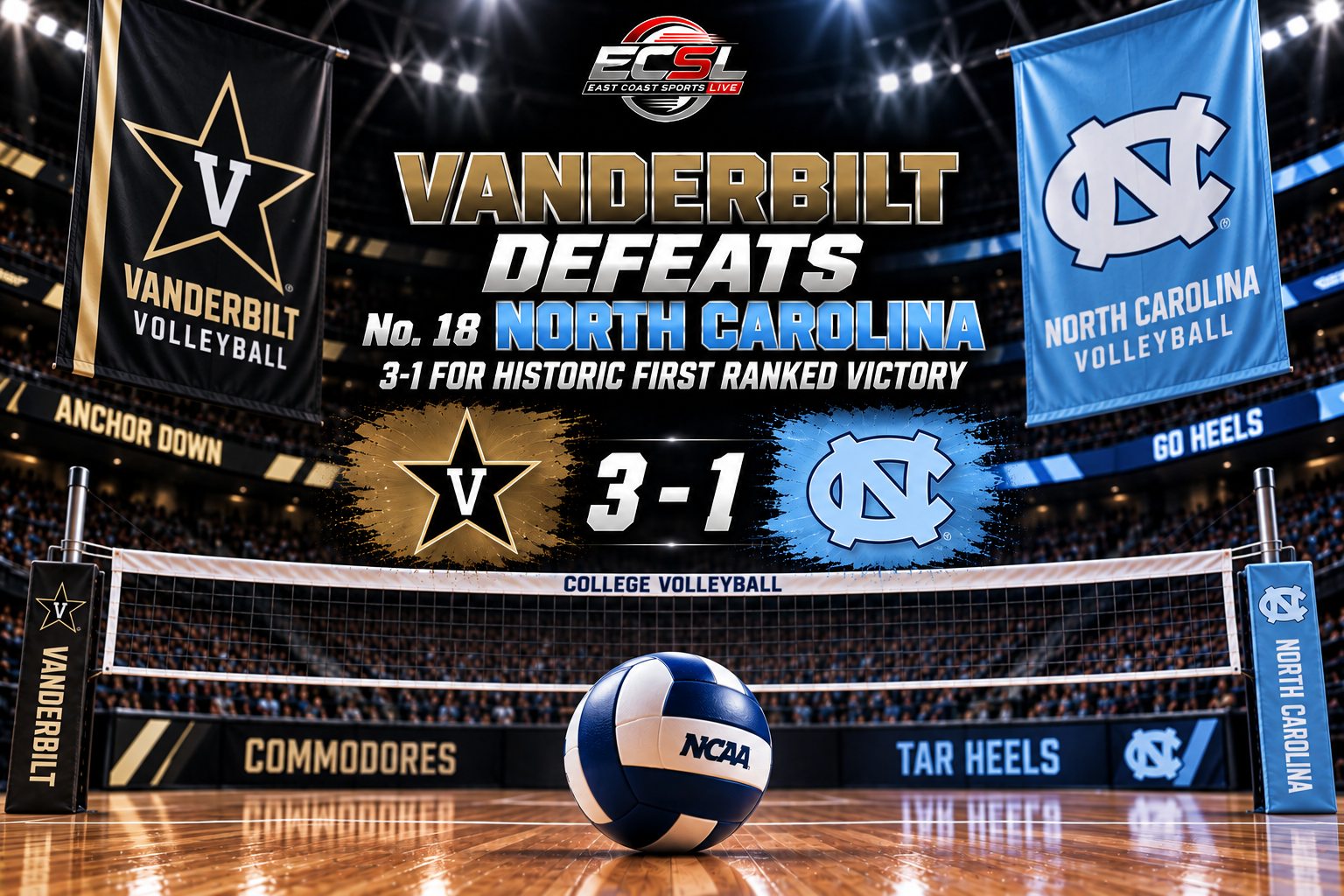
As Alabama fell in the rankings, other teams made their way into the top 25. Vanderbilt, fresh off a win over Alabama earlier this season, entered the rankings at No. 25. The Commodores have quietly put together a solid season, boasting a 5-2 record and a signature win over the Crimson Tide. With more big games on the horizon, Vanderbilt will have the opportunity to prove that their ranking is well-deserved.


Illinois also continued its strong season, rising to No. 20. The Fighting Illini capitalized on Michigan’s mistakes, forcing three turnovers and securing a 21-7 victory over the Wolverines. With a trip to Oregon up next, Illinois will face a major test as they look to continue climbing in the rankings.


Army and Navy also held steady in the rankings at No. 23 and No. 24, respectively. Both military academies have been impressive this season, with Army remaining undefeated at 7-0. Their upcoming clash with Air Force looms large, as both teams are eyeing a potential run at a major bowl game.


Looking Ahead

As the college football season enters its most crucial stretch, the race for the playoff spots is heating up. Oregon, Georgia, and Penn State have established themselves as the teams to beat, but with several top-10 matchups still on the horizon, the rankings are sure to see more shake-ups in the coming weeks.


Alabama’s fall from grace has opened the door for other programs to step into the spotlight, but it’s too early to count the Crimson Tide out entirely. With their talent and pedigree, Alabama could still make noise down the stretch, though their margin for error is slim.


Meanwhile, teams like Iowa State, BYU, and Tennessee will be looking to capitalize on their upward momentum as they push for playoff consideration. As we enter the final weeks of the season, every game will be critical for teams jockeying for position in the top 25.
By Angelie Te July 31, 2026
Why Sports Video Production Matters in the World of 2026 Sports video production in 2026 covers far more than pressing record and capturing the final score. It spans live game broadcasts, tournament streaming, vertical social clips, recruiting reels, and sponsor activation content for schools, teams, leagues, and athletics organizations at every level. The job of a modern sports producer is to build year-round storylines, ensure sponsor visibility across every screen, and produce scout-ready assets that athletes and families can use for years. Consider the scale: global sports rights spending exceeded $67 billion in 2026 , and LiveU deployed 1,700 units for the 2026 FIFA World Cup to connect venues across North America. This industry momentum reaches every stage of competition, from youth travel tournaments to college showcases. Sports video production is considered challenging due to unpredictable action and lack of second takes-which is exactly why professional planning matters. The real goal of sports video production isn't just documenting what happened. It's creating content that works long after the final whistle.  East Coast Sports Live helps programs of all sizes compete with pro-level production quality without needing an in-house broadcast team. This article walks you through planning, filming, packaging, and distributing sports content designed to satisfy athletes, fans, and sponsors.
Tony Romo wearing a broadcast headset during a CBS Sports football game broadcast.
By Amber Aniston July 31, 2026
CBS placed Tony Romo on leave following his Wisconsin arrest, elevating J.J. Watt to its lead NFL broadcast team as the season approaches.
Harrison Bader in Yankees uniform during a game with a focused expression in a stadium.
By Amber Aniston July 31, 2026
Harrison Bader's season-ending scooter crash has raised questions about MLB contract rules, high-risk activities, and what comes next for the Giants outfielder.
By Amber Aniston July 31, 2026
Todd Bowles is keeping the Buccaneers focused on football despite Baker Mayfield's contract dispute and Vita Vea's trade request entering training camp.
FOOTBALL
By Amber Aniston July 31, 2026
FIFA's World Cup investment proposal has sparked opposition from major football confederations, with governance and transparency emerging as the central issues.
football player
By Amber Aniston July 30, 2026
Build a stronger 2026 fantasy football roster by understanding why drafting running backs early can create flexibility and long-term value in half-PPR leagues.
By Amber Aniston July 30, 2026
One of the most significant pieces of legislation in the history of college athletics is facing an uncertain future. The proposed Protect College Sports Act (PCSA) was designed to create a nationwide framework for regulating name, image and likeness (NIL), transfer rules, revenue sharing, and athlete eligibility. However, with the Big Ten and SEC withholding their formal support, lawmakers are running out of time to move the bipartisan bill through Congress before the Senate's August recess. The legislation has been viewed by many athletic directors and conference commissioners as the best opportunity to restore stability to an increasingly fragmented college sports landscape. But ongoing disagreements over several key provisions have placed its future in jeopardy. Why the Protect College Sports Act Matters College athletics has undergone dramatic changes over the past several years. NIL compensation, the transfer portal, athlete revenue sharing, and repeated court rulings have fundamentally altered how schools recruit, retain, and compensate student-athletes. The Protect College Sports Act was introduced to establish consistent national standards rather than leaving schools to navigate a patchwork of state laws and ongoing legal challenges. Among its major goals are: Creating uniform NIL regulations nationwide Standardizing transfer portal rules Establishing revenue-sharing guidelines Providing five years of athlete eligibility Giving conferences greater authority to enforce regulations Offering additional legal protections related to antitrust challenges Supporters believe the legislation could bring much-needed structure to college athletics after years of uncertainty. Why the Big Ten and SEC Have Not Signed Off Despite generally supporting federal legislation, the two most powerful conferences remain unwilling to endorse the current version of the bill. Conference leaders say several important issues remain unresolved, particularly language involving so-called "associated entities." These include corporate sponsors, multimedia rights partners, and outside organizations that could potentially direct additional compensation to athletes outside the proposed revenue-sharing cap. Big Ten and SEC officials argue that unless those loopholes are addressed, schools could effectively bypass spending limits, undermining the legislation's purpose.  Ohio State Athletic Director Ross Bjork summarized the conferences' position simply: "We need a ceiling." Revenue-Sharing Cap Remains the Biggest Obstacle Much of the debate centers on how athlete compensation would be limited. Current negotiations include a structure featuring: $21.3 million base revenue-sharing cap Approximately $20–22.5 million additional retention pool Up to $5 million designated for women's athletics Conference leaders support increasing athlete compensation but insist those figures must be paired with a truly enforceable hard cap. Without stronger safeguards, administrators worry schools could continue funneling money through outside partnerships while technically remaining under the cap. Time Is Becoming the Biggest Challenge Even if negotiators reach an agreement, Congress faces a rapidly approaching deadline. The Senate is scheduled to begin its month-long recess on August 7 , leaving only a narrow window for lawmakers to advance the legislation. Senate staff members have publicly acknowledged that every passing day reduces the likelihood of securing a floor vote before lawmakers leave Washington. Conference representatives and congressional staff have continued negotiating revised language, but formal approval from the Big Ten and SEC has yet to arrive. Lawmakers Say Major Concessions Have Already Been Made Congressional leaders argue they have significantly revised the proposal in response to conference concerns. According to reports included in the source material, lawmakers agreed to numerous requested changes, including: Stronger recruiting and tampering provisions Modified revenue-sharing language Changes involving conference governance Adjustments affecting NIL oversight Additional flexibility regarding institutional NIL agreements Despite those revisions, conference officials maintain they still need to review final legal language before committing their support. Conference Leaders Say They Need More Certainty Big Ten Commissioner Tony Petitti has repeatedly emphasized that conference officials cannot endorse language they have not fully reviewed. Rather than rejecting the legislation outright, Petitti has described the negotiations as an effort to ensure the final bill accomplishes its intended purpose. Conference officials also continue seeking broader antitrust protections and greater certainty regarding how future enforcement would work under the proposed law. SEC Commissioner Greg Sankey has similarly stated in recent weeks that congressional legislation remains the preferred outcome but acknowledged the conference has discussed alternative governance models if federal action ultimately fails. Alternative Plans Already Being Discussed If Congress cannot pass the Protect College Sports Act, college athletics may move toward alternative solutions. Among the possibilities currently under discussion are: Plan B Revising the current College Sports Commission structure Negotiating updated revenue-sharing rules among the Power Four conferences Creating stronger conference-led enforcement mechanisms Plan C A self-governance model led by the major conferences Independent enforcement of recruiting, NIL, and compensation rules Greater conference autonomy outside the existing NCAA structure Neither option is considered ideal by conference leaders, who continue describing federal legislation as the preferred long-term solution. Industry Remains Divided Not every stakeholder agrees with the conferences' position. Executives representing multimedia rights companies argue that legitimate endorsement agreements should not automatically count against athlete compensation limits. Others believe an overly restrictive cap could unintentionally reduce genuine commercial opportunities for student-athletes who have built valuable personal brands. That disagreement highlights the broader challenge facing lawmakers: balancing competitive fairness with athletes' growing opportunities to profit from their name, image, and likeness. What's Next? Negotiations between congressional leaders, the White House, and conference representatives remain ongoing. According to the latest reports, lawmakers submitted what has been described as a "best and final" revised version of the legislation to the Big Ten and SEC while asking both conferences to make their decision quickly. Whether that will be enough to secure their support remains unclear. For now, the Protect College Sports Act remains alive—but time is quickly becoming its biggest opponent. If an agreement cannot be reached before Congress begins its August recess, the effort to establish national standards for college athletics could be delayed for months, leaving schools, athletes, conferences, and fans to continue navigating one of the most uncertain periods in the history of collegiate sports.
By Angelie Te July 30, 2026
This article is a practical guide to sports sponsorship activation for brands, schools, athletic programs, and event organizers working around live sports coverage. Whether you run a booster club, manage athletic marketing for a district, or represent a company looking at sponsorship opportunities, the strategies here focus on live and streamed sports events rather than generic sponsorship theory. Target readers: brand marketers, athletic directors, booster clubs, school communications teams, and event organizers planning sponsor integration around streamed or televised games.
More Posts