
NASCAR Tracks on the East Coast: From Daytona to Watkins Glen
Eastern tracks and one major circuit give fans of stock car auto racing a clear map from Florida to New York. This article uses the official NASCAR list and FAQ to describe those eastern venues and to separate them from tracks farther west.
NASCAR, the National Association for Stock Car Auto Racing, races at 35 tracks in the United States and Mexico across its three national series, the official list says. A race on the East Coast can be a superspeedway draft, a short-track fight, or a circuit test. The tracks below are the eastern stops fans can reach without a cross-country trip, plus two famous comparison tracks that are not eastern.
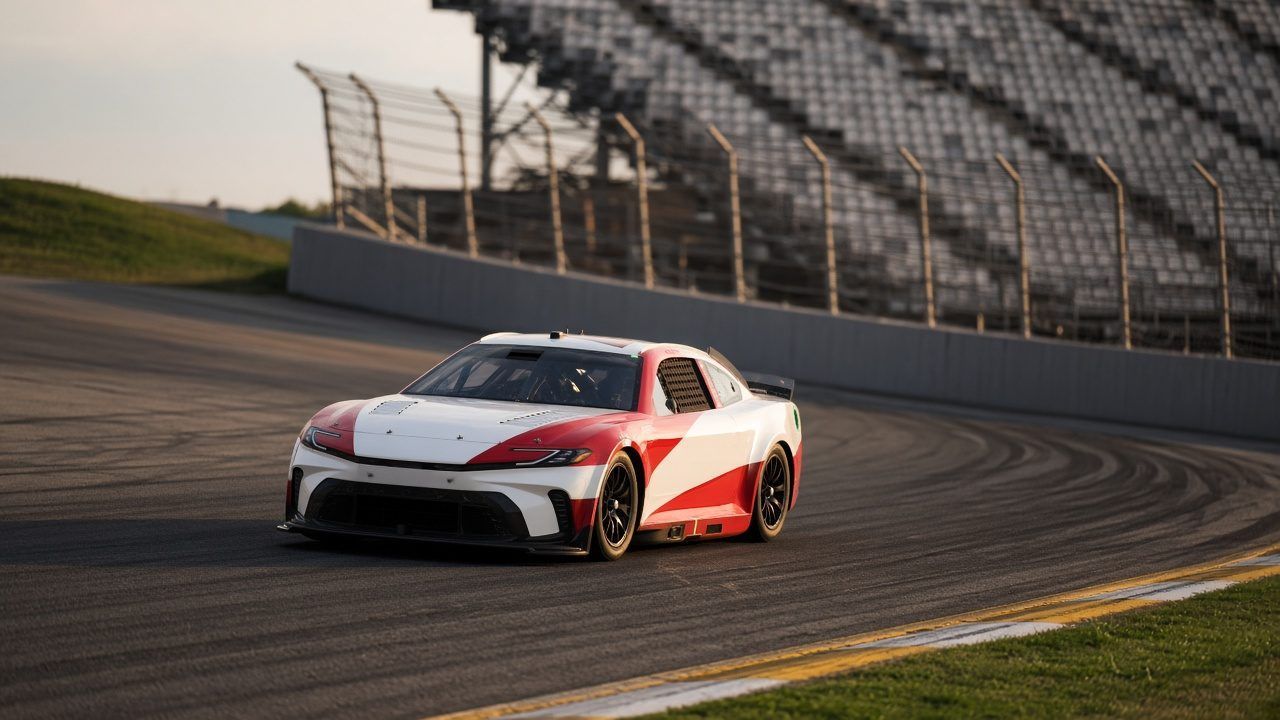
NASCAR Tracks on the East Coast
The East Coast cluster starts in Florida (FL). Daytona International Speedway, in Daytona Beach, is listed as a 2.5 mi superspeedway. Homestead-Miami Speedway is the other Florida oval on the national map. A race at Daytona International Speedway is often decided at high speeds, and a race at Homestead has its own late-season history. The official 2026 national calendar set the title race at Homestead-Miami Speedway on Nov. 8, so as of this writing there is not another Cup date left this season. Both are venues where a race can turn on a draft, a restart, or a last-lap pass.
Moving north, Darlington Raceway in South Carolina and EchoPark Speedway in Georgia (the official FAQ notes the former Atlanta track, now 1.54 miles, as a drafting-style oval) sit in the Southeast. A race at Darlington is a worn-surface test with its own history. Concord, North Carolina, is the home of Charlotte Motor Speedway, including the hybrid layout that mixes an oval and a special course. North Wilkesboro Speedway, also in NC, is a short historic track. The official 2026 NASCAR national calendar lists a race there on July 19, and a future race there is part of the continuing national story.
Richmond Raceway, Martinsville, and Bristol Motor Speedway
Virginia and Tennessee hold three of the best-known short tracks in the sport. Richmond Raceway is listed at 0.75 miles. Martinsville Speedway, in Ridgeway, VA, is listed at 0.526 miles. Bristol Motor Speedway, in Tennessee (TN), is listed at 0.533 miles. A race at any of those tracks is a different test from a race at Daytona. The official FAQ groups Martinsville, Bristol Motor Speedway, and Richmond Raceway together as short tracks in the NASCAR Cup Series, each less than one mile.
Ridgeway is a small place on the map, but a race there still carries a long history. Bristol has its own history of packed attendance and night-race drama. Richmond is the mid-size track in that same Virginia group. Fans who watch one of those events will see more rubbing and less wide-open drafting than they will at Daytona Beach. The excitement of a short-track race is the close action, the worn tires, and the results that can change in one corner.
The Glen, Pocono at Long Pond, and Other Eastern Venues
Watkins Glen International in New York is one of the road courses the premier national series currently visits, the official FAQ says. It is not an oval at all. A race there asks drivers to turn right as well as left, at high speeds, on a 2.45-mile road course in NY. Pocono Raceway, at Long Pond in Pennsylvania, is a triangular oval and a long-time stop in PA. A race at Pocono and a race at the Glen give Pennsylvania and New York two very different venues, and a race weekend at either stop has a different rhythm. Dover Motor Speedway in Delaware and New Hampshire Motor Speedway also sit on that official 2026 national calendar, which is why the East Coast cluster is broader than the Southeast alone.
Talladega Superspeedway, Indianapolis, and What Is Not East Coast
Talladega Superspeedway in Alabama is not an East Coast track. The official FAQ calls it the biggest NASCAR oval, at 2.66 miles, and, with Daytona International Speedway, one of only two tracks traditionally seen as superspeedways. A race at Talladega is a high-speeds draft in a different part of the country. Indianapolis, in Indiana, is another historic venue outside that eastern group. Illinois is in the same way: a NASCAR market, but not an East Coast stop.
The NASCAR history of the sport is written at all of these tracks, not only the coastal ones. Iconic tracks in the sport include Daytona, Talladega, Bristol, and Indianapolis, each with its own history and a history that still draws a crowd. Drivers, teams, and fans share years of events at those tracks. The official list is the place to read the current track set, including every NASCAR national stop now in use; tickets are listed on that same NASCAR page. In March or in any other week of the season, a race can be held only where that official list still shows a listed track, and driving to an East Coast race remains the point of this map. Played out over a season, those results are the action fans come to see, and the excitement is in how different one oval is from the next at high speeds.
A NASCAR race at Daytona, a NASCAR race at Homestead, and a NASCAR race at Darlington can all be won at high speeds, yet each track rewards a different kind of setup. A NASCAR race at Richmond or Bristol, and a NASCAR race at Pocono, show the same sport on a different track. That is the history fans share, and the excitement drivers talk about after a hard race. Concord is the city next to the Charlotte track, and the official schedule is the way to confirm when a NASCAR race returns to any of those tracks. High speeds still matter at every superspeedway, and high speeds also matter when a field hits the banking there.
For more coverage from East Coast Sports Live, start at the homepage. A motorsports section is in development. Questions, coverage requests, or media credential inquiries can use the contact form on that page, info@ecsportslive.com, or (888) 209-4055.
Sources: NASCAR official track list and FAQ, checked Nov. 19, 2026; 2026 NASCAR schedule release, checked Nov. 19, 2026.